
What are the main differences between hard and soft tonneau covers?
Hard and soft tonneau covers differ in several key aspects, including material, security, durability, price, and appearance.
Material:
- Hard tonneau covers are typically made from rigid materials like aluminum, fiberglass, or hard plastics
- Soft tonneau covers are usually constructed from vinyl, canvas, or polyester fabric.
Security:
- Hard covers provide superior security for cargo, as they are much more difficult to break into or cut through compared to soft covers.
- Soft covers offer some theft deterrence by keeping items out of sight, but determined thieves can slice through the fabric.
Durability:
- Hard tonneau covers are generally more durable and can withstand greater impacts, weight, and wear and tear over time.
- Soft covers are less durable and may degrade faster due to exposure to the elements, but they are still fairly resilient.
Price:
- Hard tonneau covers are usually more expensive, with prices ranging from around $500 to over $2,000 depending on features and brand.
- Soft covers are more affordable, with prices typically falling between $200 to $800.
Appearance:
- Hard covers often have a textured, rigid appearance and are available in a variety of colors and finishes to match the truck.
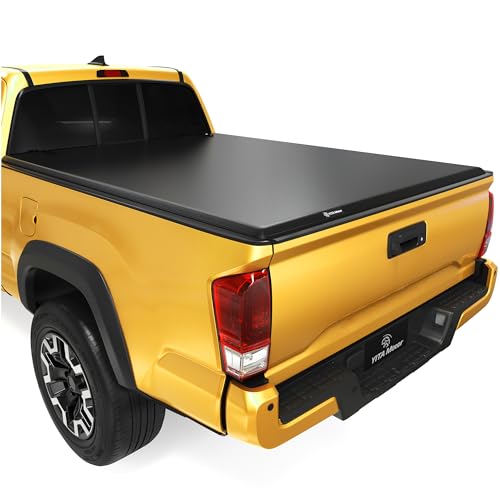
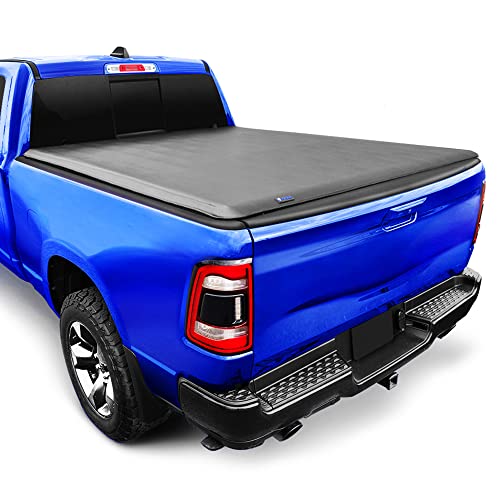
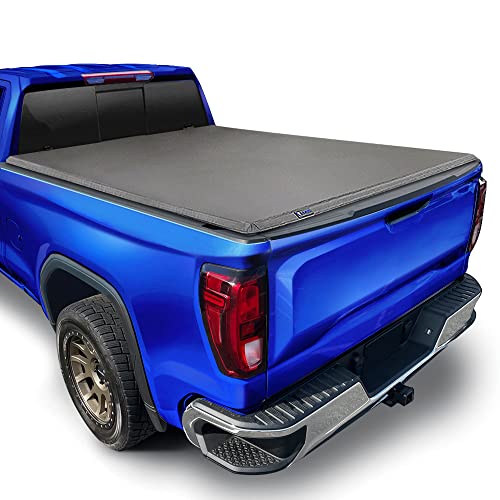
- Soft covers have a smoother, sleeker look and are predominantly black in color.
Other key differences include ease of installation and removal, weight, and access to the truck bed, which will be covered in subsequent sections.
Which type of tonneau cover provides better security for cargo?
When it comes to securing cargo in your truck bed, hard tonneau covers offer superior protection compared to soft covers.
Advantages of hard tonneau covers for security:
- Made from tough, rigid materials like aluminum, fiberglass, or hard plastics that are difficult to break or cut through
- Can be locked shut, adding an extra layer of security on top of a locked tailgate
- Some hard covers have built-in locking mechanisms that secure the cover even when the tailgate is open
- Provide a strong visual and physical deterrent against theft
Disadvantages of soft tonneau covers for security:
- Constructed from fabric like vinyl or canvas that can be easily sliced open with a knife
- Rely mainly on keeping items out of sight rather than physically preventing access
- Locking mechanisms, if present, are not as robust as those on hard covers
- May not deter determined thieves who know there is a soft cover
While both hard and soft tonneau covers will hide your cargo from view, a hard cover is the clear choice if maximum security is a top priority. The strong, rigid construction and locking capabilities of hard covers provide a formidable defense against break-ins and theft.
In contrast, the fabric material of soft covers can be breached relatively easily, making them more of a visual barrier than a physical one. For truck owners frequently hauling expensive tools, gear, or equipment, investing in a hard tonneau cover can provide invaluable peace of mind.
How do hard and soft tonneau covers compare in terms of durability?
Durability is another key factor to consider when choosing between a hard or soft tonneau cover. In general, hard covers are more durable and long-lasting than their soft counterparts.
Durability advantages of hard tonneau covers:
- Constructed from robust materials like aluminum, fiberglass, or hard plastics that can withstand significant impacts and wear
- Resistant to punctures, tears, and cuts that could compromise the cover's integrity
- Less susceptible to degradation from prolonged exposure to sunlight, moisture, and extreme temperatures
- Can often support substantial weight on top of the cover, such as snow loads or a person standing on it
Durability disadvantages of soft tonneau covers:
- Made from fabric materials like vinyl or canvas that are more prone to wear and tear over time
- Vulnerable to punctures, rips, and cuts from sharp objects or accidents
- May degrade faster due to constant exposure to the elements, leading to fading, cracking, or shrinking
- Less able to support heavy weight on top of the cover without sustaining damage
The rigid panels and tough construction of hard tonneau covers make them better equipped to handle the rigors of daily use and exposure to the elements. They are less likely to suffer from punctures, tears, or degradation over time, ensuring long-lasting protection for your cargo.
Soft covers, while still fairly durable, are more susceptible to wear and damage due to their fabric construction. They may develop leaks, rips, or faded spots more quickly, especially if frequently exposed to harsh sunlight or extreme weather conditions.
For truck owners who prioritize longevity and ruggedness, a hard tonneau cover is often the better choice. However, soft covers can still provide reliable protection and may be sufficient for less demanding applications or shorter ownership periods.
What are the price differences between hard and soft tonneau covers?
When it comes to price, there is a significant difference between hard and soft tonneau covers. Hard covers are generally more expensive than soft covers.
Price range for hard tonneau covers:
- Entry-level hard covers start around $500, while premium models can cost upwards of $2,000
- The average price for a hard tonneau cover falls between $800 to $1,500
- Factors that influence price include brand, material, features, and fitment
Price range for soft tonneau covers:
- Soft covers are more budget-friendly, with prices typically ranging from $200 to $800
- Entry-level soft covers can be found for as low as $150, while high-end models may reach $1,000
- Price varies based on material quality, brand reputation, and additional features
The higher price of hard tonneau covers can be attributed to several factors:
- More expensive materials like aluminum, fiberglass, or reinforced plastics
- Complex design and construction, often involving hinges, locking mechanisms, and weather seals
- Additional features such as built-in lighting, remote control operation, or integrated storage compartments
Soft covers, on the other hand, are more affordable due to:
- Lower-cost materials like vinyl, canvas, or polyester fabric
- Simpler design and construction, often consisting of a single piece of fabric stretched over a frame
- Fewer additional features and customization options compared to hard covers
While hard tonneau covers offer superior durability, security, and weather resistance, they come at a higher price point. Soft covers provide a more budget-friendly option that still offers good protection and functionality. Ultimately, the choice between a hard or soft cover will depend on the individual truck owner's needs, preferences, and budget.
Which style of tonneau cover is easier to install and remove?
Ease of installation and removal is another important consideration when choosing between a hard or soft tonneau cover. In general, soft covers are easier to install and remove than hard covers.
Advantages of soft tonneau covers for installation and removal:
- Often require no drilling or permanent modifications to the truck bed
- Can usually be installed or removed by one person in less than 30 minutes
- Typically use simple clamp-on or snap-on mounting systems that attach to the truck bed rails
- Lightweight and easy to handle during installation or removal
- Can be rolled up or folded for compact storage when not in use
Disadvantages of hard tonneau covers for installation and removal:
- May require drilling or bolting into the truck bed for a secure fit
- Often need two people for installation due to the weight and size of the panels
- Can take an hour or more to install, depending on the model and features
- Some models may require professional installation for optimal performance and warranty coverage
- Bulky and heavy to handle during removal, with limited storage options when not in use
Soft tonneau covers are designed for quick and easy installation, with most models requiring no tools or permanent modifications to the truck bed. The lightweight fabric and simple mounting systems allow for a fast, one-person installation process that can be completed in under 30 minutes.
Hard covers, while offering superior durability and security, are more complex to install and remove. The rigid panels, hinges, and locking mechanisms often require drilling, bolting, or professional installation for a proper fit. The weight and bulk of hard covers also make them more challenging to handle during removal and storage.
For truck owners who frequently remove their tonneau cover or value simplicity, a soft cover may be the better choice. However, those willing to invest more time and effort in installation may find the added benefits of a hard cover worthwhile.
How do hard and soft covers differ in terms of appearance and customization options?
Appearance and customization options are important factors for truck owners who want their tonneau cover to enhance the look of their vehicle. Hard and soft covers differ in terms of aesthetics and available customization options.
Appearance and customization of hard tonneau covers:
- Often have a sleek, low-profile design that sits flush with the truck bed rails
- Available in a range of colors and finishes, including painted, textured, or chrome
- Can be color-matched to the truck's factory paint for a seamless, integrated look
- Some models feature built-in lighting, storage compartments, or racks for added visual appeal and functionality
- Rigid panels create a smooth, uniform surface that complements the truck's lines
Appearance and customization of soft tonneau covers:
- Typically have a more utilitarian, fabric-based appearance
- Most models are available in black or other neutral colors like gray or tan
- Limited color and finish options compared to hard covers
- Some models may have a slightly wrinkled or loose appearance due to the flexible fabric material
- Customization options are mainly limited to adding accessories like truck bed lights or tie-down hooks
Hard tonneau covers offer a wider range of appearance and customization options, allowing truck owners to personalize their vehicle's look. The rigid panels can be painted or finished to match the truck's color, creating a cohesive, factory-installed appearance. Some hard covers also feature built-in lighting, storage compartments, or racks that add visual interest and functionality.
Soft covers, while still providing a clean and protective covering for the truck bed, have a more basic, fabric-based appearance. Most soft covers are available in a limited range of colors, primarily black or neutral shades. The flexible material may also have a slightly wrinkled or loose look, especially when compared to the smooth, uniform surface of a hard cover.
For truck owners who prioritize a sleek, customized appearance, a hard tonneau cover may be the better choice. However, those who value function over form or prefer a more understated look may find a soft cover suitable for their needs.
Which type of tonneau cover is more weather-resistant?
Weather resistance is a crucial factor for truck owners who want to protect their cargo from the elements. Hard tonneau covers generally offer better weather resistance than soft covers.
Weather resistance advantages of hard tonneau covers:
- Made from rigid, non-porous materials like aluminum, fiberglass, or hard plastics that do not absorb water
- Feature tight-fitting, overlapping panels with weather seals to prevent water, dust, and debris from entering the truck bed
- Some models have built-in drainage systems to channel water away from the cargo area
- Resistant to UV rays, extreme temperatures, and other weather-related damage
- Provide a strong, stable barrier against wind, rain, snow, and hail
Weather resistance disadvantages of soft tonneau covers:
- Constructed from fabric materials like vinyl or canvas that may absorb water over time
- Seams and attachment points can be potential weak spots for water intrusion
- May allow some dust, dirt, or moisture to enter the truck bed, especially in heavy rain or snow
- Fabric material can degrade faster due to constant exposure to UV rays and extreme temperatures
- Less effective at blocking wind, which can cause the cover to flap or billow at high speeds
The rigid, non-porous materials and tight-fitting design of hard tonneau covers make them exceptionally weather-resistant. The overlapping panels, weather seals, and built-in drainage systems work together to create a virtually impenetrable barrier against water, dust, and debris. Hard covers are also better equipped to withstand UV rays, extreme temperatures, and impacts from hail or falling objects.
Soft covers, while still providing good weather protection, are more susceptible to water intrusion and weather-related damage. The fabric material may absorb water over time, and the seams and attachment points can be potential weak spots for moisture to enter the truck bed. Soft covers are also less effective at blocking wind, which can cause the fabric to flap or billow at high speeds.
For truck owners who frequently encounter harsh weather conditions or need maximum protection for their cargo, a hard tonneau cover is the better choice. However, soft covers can still provide adequate weather resistance for most everyday situations.
How do hard and soft covers compare in terms of weight and impact on fuel efficiency?
Weight and fuel efficiency are important considerations for truck owners who want to maximize their vehicle's performance and gas mileage. Hard and soft tonneau covers differ in terms of weight and their impact on fuel efficiency.
Weight comparison:
- Hard tonneau covers are generally heavier than soft covers due to their rigid construction and materials
- The weight of a hard cover can range from 50 to 100 pounds or more, depending on the size and model
- Soft covers are typically much lighter, weighing between 20 to 40 pounds on average
- The lightweight design of soft covers makes them easier to handle during installation and removal
Impact on fuel efficiency:
- Both hard and soft tonneau covers can improve fuel efficiency by reducing aerodynamic drag
- The smooth, flat surface of a tonneau cover helps air flow more efficiently over the truck bed, reducing wind resistance
- Studies have shown that tonneau covers can improve fuel economy by up to 10%, depending on factors like speed and wind conditions
- Hard covers may offer slightly better aerodynamics due to their rigid, flush-fitting design
- Soft covers, while still improving fuel efficiency, may have a slightly less aerodynamic profile due to their flexible material and potential for flapping or billowing
The weight difference between hard and soft tonneau covers is significant, with hard covers being substantially heavier. This added weight can slightly impact a truck's overall fuel efficiency and payload capacity. However, the aerodynamic benefits of a tonneau cover often outweigh the minor fuel efficiency loss caused by the extra weight.
Both hard and soft covers can improve a truck's fuel efficiency by reducing aerodynamic drag. The smooth, flat surface of a tonneau cover allows air to flow more efficiently over the truck bed, minimizing wind resistance and improving gas mileage. While hard covers may offer slightly better aerodynamics due to their rigid, flush-fitting design, soft covers still provide a significant improvement in fuel efficiency compared to an open truck bed.
Ultimately, the choice between a hard or soft tonneau cover based on weight and fuel efficiency will depend on the individual truck owner's priorities. Those who value maximum fuel savings and aerodynamics may prefer a hard cover, while those who prioritize lightweight design and ease of handling may opt for a soft cover.
Which style of tonneau cover allows for easier access to the entire truck bed?
Access to the entire truck bed is a key factor for many truck owners who need to load, unload, or retrieve cargo frequently. Hard and soft tonneau covers differ in terms of how easily they allow access to the full truck bed.
Advantages of soft tonneau covers for full bed access:
- Most soft covers can be easily rolled up or folded towards the cab, providing unrestricted access to the entire truck bed
- Rolling up or folding a soft cover typically takes less than a minute and can be done by one person
- Some soft covers feature a quick-release system that allows for even faster and easier removal
- When rolled up or folded, soft covers take up minimal space, allowing for full use of the truck bed
Disadvantages of hard tonneau covers for full bed access:
- Most hard covers are designed with a hinged or folding panel system that may not allow for complete access to the entire truck bed
- Some hard covers have a single-piece design that lifts from the rear, which can limit access to the front portion of the bed
- Folding or removing a hard cover typically takes longer and may require two people due to the weight and size of the panels
- When removed, hard covers are bulky and heavy, making them difficult to store and transport
Soft tonneau covers offer a clear advantage when it comes to accessing the entire truck bed. Most soft covers can be quickly rolled up or folded towards the cab, providing unrestricted access to the full bed in a matter of seconds. This makes loading, unloading, and retrieving cargo much easier and more convenient.
What are the pros and cons of hard vs soft tonneau covers?
To summarize, hard and soft tonneau covers each have their own set of advantages and disadvantages. Here's a breakdown of the pros and cons for each type:
Hard Tonneau Covers: Pros:
- Superior security due to rigid, lockable design
- Excellent durability and weather resistance
- Wide range of customization options and finishes
- Sleek, low-profile appearance
- Slightly better aerodynamics for improved fuel efficiency
Cons:
- Higher price point compared to soft covers
- Heavier weight, which can impact fuel efficiency and payload capacity
- More complex installation process, often requiring drilling or bolting
- Limited access to the entire truck bed due to hinged or folding panel design
- Bulky and heavy to remove and store when not in use
Soft Tonneau Covers: Pros:
- Lower price point compared to hard covers
- Lightweight and easy to handle during installation and removal
- Quick and simple installation process, often requiring no tools or drilling
- Easy access to the entire truck bed by rolling up or folding the cover
- Compact storage when rolled up or folded, allowing for full use of the truck bed
Cons:
- Less secure than hard covers due to fabric material that can be cut or torn
- Reduced durability and weather resistance compared to hard covers
- Limited color and customization options
- Potential for flapping or billowing at high speeds due to flexible material
- May allow some dust, dirt, or moisture to enter the truck bed in extreme weather conditions
Ultimately, the choice between a hard or soft tonneau cover will depend on the individual truck owner's priorities, budget, and intended use. Those who value maximum security, durability, and customization may prefer a hard cover, while those who prioritize affordability, ease of use, and full bed access may opt for a soft cover.
It's important to carefully consider your specific needs and weigh the pros and cons of each type before making a decision. Factors like local climate, frequency of use, cargo type, and personal preferences should all be taken into account when choosing the best tonneau cover for your truck.