Understanding DEF in Diesel Engines Explained
It may come as a surprise to learn that for every six gallons of diesel fuel consumed by a heavy-duty truck, one gallon of Diesel Exhaust Fluid (DEF) is required to keep the vehicle compliant with today's strict EPA emissions standards. This proportion showcases not only the indispensable demand for DEF but also the significant role it plays in the grander scheme of emissions control and air quality enhancement. As an emissions reduction agent specifically designed for diesel-powered engines, DEF, a key component in the Selective Catalytic Reduction (SCR) process, converts detrimental nitrogen oxides into nitrogen and water, which are safe for our atmosphere. Through the meticulous balancing act of chemistry and engine technology, diesel exhaust fluid becomes pivotal in shaping a cleaner environment. Understanding what is def for diesel is not just relevant for those in the industry but is also critical to anyone concerned with the ecological footprint of these robust engines.
While diesel engines are prized for their efficiency and durability, the need for advanced emissions control solutions like DEF has grown exponentially due to the increasing awareness and regulation of environmental pollutants. Diesel exhaust fluid meets the stringent purity standards set forth by the ISO 22241 guidelines, ensuring that vehicles not only perform to their highest potential but also do their part in preserving air quality. The Environmental Protection Agency (EPA) has played an influential role in dictating these emissions measures, driving innovation and compliance through its regulations. As the automotive and transportation sectors continue to evolve, solutions like DEF contribute significantly to reducing the environmental impact of diesel engines.
Key Takeaways
- DEF is essential for keeping diesel engines within EPA emissions standards.
- For every six gallons of diesel fuel used, approximately one gallon of DEF is consumed.
- The solution is composed of deionized water and urea, transforming NOx emissions into harmless nitrogen and water.
- DEF must adhere to the ISO 22241 purity standards to function effectively in the SCR process.
- Selective Catalytic Reduction (SCR) technology is a linchpin in the quest for cleaner diesel emissions.
- The requirement of DEF underscores the significant shift towards sustainability in the operations of diesel-powered engines.
Demystifying Diesel Exhaust Fluid (DEF): A Vital Component for Clean Air
The quest for clearer skies and healthier air has led to advancements in vehicle technologies, especially for those powered by diesel. Central to these improvements is Diesel Exhaust Fluid (DEF), a solution that plays a pivotal role in curbing pollution from vehicles with diesel engines. As federal emissions standards become increasingly stringent, understanding the role of DEF in emissions control becomes more critical than ever.
The Chemical Composition of DEF
At the heart of DEF's functionality is its simple yet precise chemical composition: a mixture of 32.5% synthetic urea and 67.5% deionized water. Synthesized from carbon dioxide and ammonia, urea is an integral player in the chemical reaction that makes emissions control possible. Deionized water acts as the carrier for urea, allowing it to be distributed evenly in the exhaust stream of diesel engines.
How DEF Transforms Noxious Emissions into Harmless Compounds
When DEF enters the exhaust system, it triggers a series of reactions that transform dangerous nitrogen oxides (NOx) into harmless nitrogen and water vapor. This is the result of a chemical reaction known as selective catalytic reduction (SCR), which occurs when DEF is injected into the exhaust stream before it passes through a catalyst system. The efficiency of this reaction is vital for minimizing the impact of diesel emissions on the environment.
The Significance of DEF in Maintaining EPA Emissions Standards
The importance of DEF extends beyond the vehicles it helps to clean. By ensuring that emissions from diesel engines meet federal emissions standards, DEF helps protect air quality for everyone. Its use is essential for car manufacturers to ensure their diesel models are compliant with the Environmental Protection Agency (EPA) mandates, which are designed to protect the health of the population and the environment from the dangers of airborne pollutants.
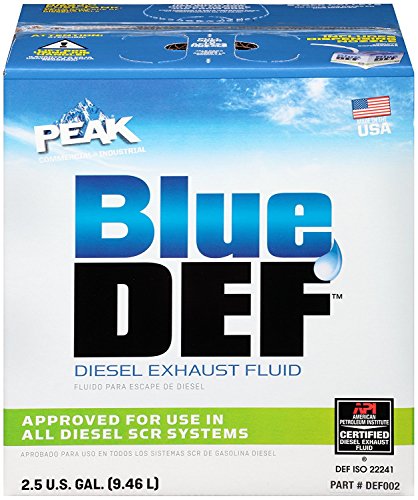
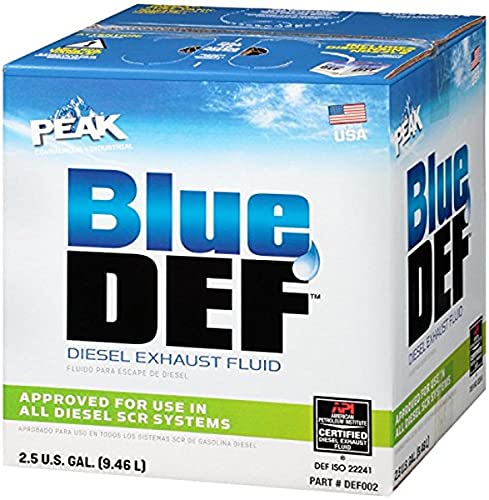
BlueDEF Diesel Exhaust Fluid 2.5 Gallon (5 Pack)
Keep your diesel truck running smoothly with our BlueDEF Diesel Exhaust Fluid 2.5 Gallon (5 Pack) bundle
Product information
$119.99 $94.01
Product Review Score
4.4 out of 5 stars
11 reviewsProduct links
Selective Catalytic Reduction: The Powerhouse Behind DEF
The ability to meet stricter environmental standards while enhancing vehicle performance is a constant challenge for manufacturers of diesel vehicles. At the forefront of meeting this challenge is the Selective Catalytic Reduction (SCR) system. This system, an emission control technology, uses diesel exhaust fluid (DEF), a urea-based solution, to facilitate NOx reductions in the engine's exhaust. Through an intricate process, the SCR catalyst effectively converts noxious nitrogen oxides into harmless nitrogen and water vapor, resulting in a cleaner exhaust output.
The SCR Process and Its Impact on NOx Levels
SCR technology operates post-combustion, with DEF being injected into the hot exhaust gas stream. The solution then evaporates, forming ammonia and carbon dioxide. When the exhaust gases mixed with ammonia pass over the SCR catalyst, a chemical reaction occurs, drastically reducing NOx emissions—making SCR an essential component in emission reduction strategies for diesel vehicles.

Why Vehicle Manufacturers Rely on SCR Technology
Manufacturers have widely adopted SCR technology not just for its efficiency in reducing pollutants but also for its other vehicle benefits. Aside from contributing to the vehicle's compliance with stringent regulations, SCR allows for more precise control of the combustion process. This delivers better fuel economy and improves overall engine performance. These advantages explain the industry-wide reliance on the technology, confirming SCR as the emission reduction technology of choice for modern diesel engines.
| Benefits of SCR Technology | Impact on Vehicles | Environmental Significance |
|---|---|---|
| Reduces NOx emissions | Compliance with EPA standards | Protects air quality |
| Improves fuel economy | Lower operating costs | Decreased carbon footprint |
| Enhances engine performance | Greater power output | Reduced environmental impact of diesel vehicles |
Ultimately, SCR and DEF work symbiotically to maintain diesel engines' viability in an increasingly eco-conscious world, assuring the longevity of diesel vehicles while upholding a commitment to sustainability.
The Practical Aspects of DEF Usage in Diesel Vehicles
For those operating diesel vehicles, particularly diesel trucks which serve as the backbone of commercial transportation, understanding the practical usage of Diesel Exhaust Fluid (DEF) is crucial for maintaining fuel efficiency and regulatory compliance. The DEF consumption rate is a key factor in vehicle maintenance, as it directly correlates to diesel use and overall operating costs for a truck fleet.
Understanding the Frequency of DEF Refills
A gallon of DEF will generally suffice for a range of 300 to 500 miles, making DEF runs a routine part of vehicle servicing. Drivers are often notified by warnings to refill their DEF tank as the supply diminishes. These warnings become more frequent and urgent as the level approaches critical lows. It's thus essential to incorporate regular DEF check-up in the vehicle's service routine to ensure uninterrupted operations and adherence to emissions standards.
Best Practices for Storing and Handling DEF
Maintaining the purity and efficacy of DEF is as important as its use. DEF should be stored in a cool, dry place, out of direct sunlight, with optimal storage temperatures ranging between 40 and 80 degrees Fahrenheit. These conditions help to preserve DEF’s quality, with properly stored DEF boasting a shelf life of up to a year when kept under 80 degrees. To avoid contamination, always use clean equipment when handling DEF, as impurities can undermine the DEF's ability to reduce harmful emissions effectively.
By understanding these practical aspects of DEF usage – from monitoring the miles per gallon of DEF to ensuring it is added and stored correctly – operators can enhance the efficiency and longevity of their diesel trucks while contributing to environmental sustainability.
Dispelling Myths: What DEF Is and Isn't
The world of diesel engine manufacturers is replete with technical advancements and essential compliance practices, notably in the implementation of Diesel Exhaust Fluid (DEF) systems. Despite strict ISO specifications guiding its production and use, misconceptions about DEF persist, often blurring the reality of its functions within the chemical industry and its environmental significance.
BlueDEF Diesel Exhaust Fluid 2.5 Gallon (5 Pack)
Keep your diesel truck running smoothly with our BlueDEF Diesel Exhaust Fluid 2.5 Gallon (5 Pack) bundle
Product information
$119.99 $94.01
Product Review Score
4.4 out of 5 stars
11 reviewsProduct links
To refill the DEF tank is not just a routine maintenance task—it is a commitment to reducing the environmental impact of diesel-run vehicles. Contrary to some myths that diesel exhaust fluid contributes to acid rain, DEF is a key component in reducing its likelihood by controlling the emission of nitrogen oxides (NOx), which are a primary contributor to this phenomenon.
- DEF is not an alternative to diesel fuel; it serves a unique purpose in significantly lowering NOx emissions, playing a pivotal role in the fight against acid rain.
- When it comes to DEF, there's no one-size-fits-all; different vehicles will require different amounts based on several factors, such as consumption rate and engine condition.
- Misunderstanding DEF's role could lead to compliance issues with environmental regulations. DEF is an integral component in modern diesel engines that ensure adherence to federal mandates.
Contrary to some misconceptions, DEF is neither a fuel additive nor a fix-all solution to engine performance. Its primary role is rooted in its capability to enable a cleaner exhaust system, reflecting the industry's proactive approach to environmental consciousness.
At its core, Diesel Exhaust Fluid is a testament to the synergistic efforts of the chemical industry and diesel engine manufacturers to innovate and produce solutions that foster both efficient engine performance and environmental stewardship. The commitment to these ISO-certified DEF systems is unwaning—a clear indicator of the industry's resolve to meet and exceed environmental regulation benchmarks.
What is def for diesel
The environmental significance and functional necessity of DEF diesel cannot be overstated in modern diesel-powered transportation. Also known colloquially as diesel exhaust fluid, DEF is an aqueous urea solution made to work within a specialized emissions control process called Selective Catalytic Reduction, or SCR. The primary DEF diesel purpose is to significantly reduce harmful nitrogen oxides (NOx) emitted by diesel cars, trucks, and machinery, promoting cleaner air and complying with strict air quality standards set by environmental agencies.
Delving into the DEF diesel explanation, it's a non-toxic, colorless liquid composed of 32.5% urea and 67.5% deionized water. When introduced into the exhaust stream, it breaks down NOx into harmless nitrogen and water vapor, a stark contrast to the poisonous gases that would otherwise pollute the atmosphere. This reaction is vital for the health of both our environment and the people within it.
DEF's role in reducing NOx emissions extends beyond environmental concerns—it is also a matter of regulatory compliance. Diesel vehicle operators must understand the DEF diesel meaning and uses to ensure their vehicles are legally operable.
Exploring DEF diesel uses, it's primarily used in the transportation sector, particularly in DEF for diesel cars, trucks, construction, and agricultural equipment. The integration of DEF into diesel engines has been one of the most effective measures in decreasing the ecological footprint of diesel emissions.
Furthermore, the DEF diesel benefits reach beyond environmental welfare. DEF usage contributes to improved vehicle performance, fuel efficiency, and prolonged vehicle longevity. By reducing the strain on the engine caused by emissions control, DEF helps maintain the engine's optimum operating condition, thus enhancing overall vehicle health and functionality.
- Reduces NOx emissions to meet EPA standards
- Improves vehicle performance and fuel efficiency
- Increases lifespan of diesel engines
In summary, the integration of DEF into diesel-powered engines satisfies not just an eco-friendly agenda but also serves practical benefits in terms of engine performance and regulatory compliance. By underscoring the DEF diesel purpose, this section aims to educate and inform vehicle owners, operators, and those passionate about sustainable automotive practices.
Exploring the Financial and Environmental Benefits of DEF
As the transportation industry continues to evolve, the utilization of Diesel Exhaust Fluid (DEF) in heavy-duty trucks is showing both environmental and cost-effective benefits. Integrating DEF into fleet management strategies has become an essential facet of meeting EPA regulations, while contributing positively to a company's bottom line and ecological footprint.
DEF's Role in Improving Fuel Economy
Improving fuel economy is a perpetual goal for operators of heavy-duty trucks. The implementation of DEF, an indispensable component in modern emissions control technology, has played a significant role in enhancing this aspect of vehicle performance. By optimizing the combustion process, DEF reduces the amount of diesel fuel necessary for engines to meet or exceed their projected output, resulting in fuel-saving advantages that are both eco-friendly and economically wise.
Long-Term Savings with Proper DEF Management
While there is a diesel exhaust fluid expense associated with its usage, proper management of DEF leads to long-term cost savings. Avoiding contamination and adhering to suggested storage protocols ensures that DEF performs effectively, precluding the need for expensive repairs or system overhauls down the line. By understanding usage patterns and maintaining the purity of DEF, fleet operators can enjoy sustained improvements in vehicle efficiency and a decrease in overall operational costs, making DEF a cost-effective solution in heavy-duty truck maintenance.
- Fuel efficiency improvements with the use of DEF minimize operational costs and environmental impact.
- Adherence to EPA regulations is facilitated by DEF, avoiding the financial penalties associated with non-compliance.
- Proper DEF handling and storage is key in preventing system contamination, which otherwise leads to additional costs.
Ultimately, the strategic use of Diesel Exhaust Fluid is transforming the reality of heavy-duty truck operations by delivering a balanced approach to economics and ecology. By improving fuel economy and ensuring compliance with EPA regulations, DEF emerges as a pivotal element in the industry's future.
The Global Landscape: DEF Demand and Accessibility
With a sweeping movement towards cleaner combustion and stricter environmental regulations, the global DEF demand has escalated, reshaping how diesel engines operate. SCR technology is at the forefront of this transformation, ensuring that commercial vehicles not only perform efficiently but also adhere to the green standards of operations.
How DEF is Revolutionizing the Diesel Industry
The incorporation of SCR technology in diesel engines is more than just compliance with regulations; it's a revolution in the automotive industry. By using DEF, commercial vehicles can significantly reduce their environmental footprint. This green innovation has spurred an increase in DEF dispensers, now ubiquitously found across the United States, thereby promoting the use of cleaner fuel alternatives and bolstering the drive towards sustainability.
Accessibility has become a key player in the DEF landscape. Operators are now finding it easier than ever to source DEF, thanks to its widespread availability. The diesel exhaust fluid availability at auto parts stores and gas stations has become a testament to its entrenched position in the market.
Availability of DEF at Auto Parts Stores and Gas Stations
Recent years have seen an infrastructure that supports and encourages DEF consumption. United States-located auto parts stores have expanded their inventory to include DEF in various sizes to suit different needs. Furthermore, gas stations and truck stops nationwide are increasingly equipped with DEF dispensers, reflecting the growing need and ensuring that drivers are never far from a refill station.
The widespread availability not only serves convenience but also strengthens the DEF supply chain. Operators of commercial vehicles now have peace of mind, knowing that the critical component for their SCR systems is readily available, whether for immediate top-ups or bulk purchases to secure their operations for the long haul.
The trend signifies a larger narrative: the relentless pursuit of a cleaner environment, where commercial transportation does not come at the cost of air quality. The symbiotic evolution of DEF availability and SCR technology underscores a collective commitment to a greener future where diesel engines and a flourishing ecosystem can coexist harmoniously.
Comprehensive Guide to DEF Tanks and Systems in Diesel Engines
In the intricate dance of components that govern the modern diesel engine, DEF tanks and systems play a pivotal role. These systems, central to curbing emissions, have a journey that is both complex and innovative. Beginning with the filler cap, a key entry point for the Diesel Exhaust Fluid (DEF), it marks the start of a progressive relationship between DEF and the engine’s exhaust system.
From Filler Cap to Aftertreatment: The DEF Journey
Identifiable by its blue filler cap, DEF is added into a dedicated tank separate from diesel fuel, positioned to ensure ease of access while maintaining safety standards. The fluid is drawn from these DEF tanks into the line of duty as the vehicle operates, preparing to play its part in the crucial process of selective catalyst reduction (SCR). As the DEF becomes vaporized and contacts the hot exhaust gases, a series of chemical reactions is set in motion, ultimately leading to the catalytic converter, a vital player in an effectively functioning aftertreatment system.
Insights into Commercial Vehicle DEF System Designs
The DEF system designs in commercial vehicles are intelligence personified, crafted impeccably to meet rigorous environmental standards without compromising on performance. Populate the intricately routed frameworks, these commercial vehicle DEF systems harmonize with the aftertreatment system to ensure that emissions keep in line with regulations. The ingenuity infused in the design also means that the maintenance of DEF levels is user-friendly, often only requiring a top-up akin to a windshield washer fluid.
| Component | Function | Contribution to Emission Control |
|---|---|---|
| DEF Tank | Storage of Diesel Exhaust Fluid | Provides a reservoir of DEF for SCR |
| Filler Cap | Entry point for DEF | Ensures that the DEF system remains uncontaminated |
| SCR Technology | Reduces NOx in exhaust gases | Converts NOx into harmless nitrogen and water vapor |
| Catalytic Converter | Catalyzes the reaction facilitated by DEF | Final step in reducing and controlling toxic emissions |
With advancements in diesel engine technology, the depth of sophistication within DEF tanks and aftertreatment systems is ever-evolving. This guide serves to not only educate but also highlight the nuances of how DEF, a humble yet mightily effective solution, moves from a blue-capped filler port to becoming an unsung hero in the reduction of emissions from diesel engines.
Conclusion
In synthesizing the various aspects of Diesel Exhaust Fluid (DEF) and its significance within the diesel industry, it becomes clear that DEF fluid for diesel is not merely an operational requirement but a cornerstone in advancing environmental protections. Understanding DEF is an integral part of responsible vehicle ownership and compliance with stringent emissions control policies. From mitigating the impact of hazardous emissions to enhancing the performance of diesel-powered engines, DEF plays a pivotal role in promoting diesel engine efficiency and cleaner air.
As we have explored throughout the article, the deliberate formulation and application of DEF embody the concerted efforts to improve air quality and align with federal emissions compliance. The widespread adoption and utilization of DEF are testaments to the industry's commitment to sustainable practices. It is a beacon of how innovation and environmental stewardship can go hand in hand, yielding relief to the atmosphere from the burden of nitrogen oxides while empowering engines to operate at their optimal potential.
In conclusion, the journey of DEF from a mandated regulatory substance to a vital component for environmental health and engine efficiency exemplifies the positive strides being made in the diesel sector. With continued advancements and a deeper collective understanding of DEF, the diesel engine landscape is poised to contribute substantially to global efforts in minimizing air pollution and promoting a healthier ecosystem.
FAQ
What is DEF for diesel engines?
Diesel Exhaust Fluid (DEF) is a solution made up of deionized water and urea that's used in diesel engines to reduce nitrous oxide (NOx) emissions as part of an emissions control system called Selective Catalytic Reduction (SCR).
How does DEF transform noxious emissions into harmless compounds?
DEF undergoes a chemical reaction when injected into the exhaust stream, which converts harmful NOx gases produced by diesel combustion engines into harmless nitrogen and water vapor, thus improving air quality.
Why is DEF significant in maintaining EPA emissions standards?
DEF is pivotal in helping diesel engines meet the stringent emissions standards set by the Environmental Protection Agency (EPA) by lowering NOx levels, a key constituent of smog and acid rain that can be detrimental to human health.
How do vehicle manufacturers rely on SCR technology?
Vehicle manufacturers rely on Selective Catalytic Reduction (SCR) technology and DEF to meet federal emissions standards, optimize engine performance, and improve fuel efficiency, ultimately, ensuring that diesel vehicles produce fewer harmful emissions.
What is the frequency of DEF refills for diesel vehicles?
Diesel vehicles typically require DEF refills every 3,000 miles, or in proportion to their diesel consumption. This can vary widely, however, and vehicles are equipped with warnings to alert when it is time to refill the DEF tank.
What are the best practices for storing and handling DEF?
DEF should be stored in a cool, dry, well-ventilated area out of direct sunlight and within a temperature range of 40 to 80 degrees Fahrenheit. Proper handling includes using clean equipment to avoid contamination, which is crucial for maintaining DEF purity as per the ISO 22241 standard.
How does DEF contribute to fuel economy?
DEF supports the SCR system in reducing NOx emissions, enabling diesel engines to operate more efficiently and thus potentially improving overall fuel economy.
What are the long-term financial and environmental benefits of proper DEF management?
Proper management of DEF includes understanding usage patterns and ensuring the fluid is clean and free from contaminants. This care can result in considerable cost savings due to increased fuel efficiency and decreased need for repairs, while also minimizing environmental impact by keeping harmful emissions low.
How is the diesel industry being revolutionized by DEF?
The diesel industry is undergoing significant change due to the increased use of SCR technology in conjunction with DEF, which enables emissions compliance, improved environmental performance, and optimized engine efficiency.
Where is DEF available for purchase?
DEF is widely available and can be purchased at auto parts stores, gas stations, and truck stops across the United States. DEF dispensers are becoming more common, and DEF fluid is available in varying quantities to suit the needs of different users.
How has the design of commercial vehicle DEF systems adapted to emissions standards?
Commercial vehicle DEF systems have been engineered meticulously to incorporate the SCR technology within the catalytic converter, utilizing DEF tanks that introduce and mix DEF with exhaust gases efficiently, ensuring compliance with stringent emission standards and maintaining reliable engine performance.
Source Links