
The trucking industry is gearing up for an exciting year ahead as advancements in technology and innovation transform the way we move goods. In 2024, we can expect to see some remarkable developments in truck part trends that will enhance performance, improve safety, and drive the industry towards a more sustainable future. From engine technology and lighting innovations to the rise of alternative fuels and autonomous driving, there's a lot to unpack. So, get ready to hit the road as we explore the latest and greatest trends that will shape the trucking landscape in the years to come!
Image Prompts for Hero Image:
- A modern truck with a sleek design and illuminated by vibrant lighting, showcasing the latest in lighting technology trends.
- A close-up of a powerful truck engine with a futuristic design, highlighting the advancements in engine technology and performance enhancements.
- A truck with an open hood, revealing a high-tech engine bay and a mechanic working on it, emphasizing the importance of maintenance and the latest tools and techniques.
What are the Latest Trends in Truck Engine Technology and Performance Enhancements?
The heart of any truck is its engine, and in 2024, we're seeing some incredible advancements that boost performance and efficiency. Here are some of the key trends in truck engine technology and performance enhancements:
Downsizing and Turbocharging
One notable trend is the downsizing of engines coupled with turbocharging. Smaller displacement engines are becoming more common as they offer improved fuel efficiency and reduced emissions. By equipping these engines with turbochargers, they can still deliver the power and torque that trucks need while providing better fuel economy and lower operating costs. This technology is especially useful for fleet managers looking to optimize their fuel spending.
Alternative Fuels and Electrification
The rise of alternative fuels and electric trucks is another significant trend. Engines are being designed to run on a variety of fuels, including natural gas, propane, and even hydrogen. These alternative fuels offer a more sustainable and environmentally friendly option for fleet operators. Additionally, the development of electric trucks is gaining momentum, with manufacturers investing in battery-electric and hybrid powertrains. Electric trucks produce zero emissions, reduce operating costs, and provide a quieter driving experience.
| Trend | Description |
|---|---|
| Downsizing and Turbocharging | Smaller engines with turbochargers offer better fuel efficiency and reduced emissions without compromising on power. |
| Alternative Fuels | Engines adapted to run on natural gas, propane, or hydrogen provide a more sustainable and cost-effective option. |
| Electrification | Electric and hybrid trucks are gaining popularity, offering zero emissions, reduced operating costs, and a quieter ride. |
Below is a video that showcases some of the latest advancements in truck engine technology, including downsizing, turbocharging, and alternative fuel options:
Downsized Engines, Big Performance: Truck Engine Trends 2024
Engine Control Systems and Telematics
Advancements in engine control systems and telematics are also playing a significant role in improving truck performance and fleet management. These systems allow for real-time monitoring of engine performance, providing data-driven insights to optimize fuel efficiency, diagnose issues, and predict maintenance needs. Telematics systems can also track vehicle location, speed, and other parameters, helping fleet managers make informed decisions and improve overall operational efficiency.
In conclusion, the trends in truck engine technology for 2024 are focused on improving performance, efficiency, and sustainability. With downsized engines, alternative fuels, and advanced control systems, the trucking industry is poised to reduce its environmental impact while enhancing the capabilities of these workhorses of the road.
How Are Advancements in Lighting Technology Improving Safety and Functionality for Trucks?
Lighting technology plays a crucial role in enhancing the safety and functionality of trucks, and the advancements in this field are remarkable. Here's how lighting technology is improving the trucking industry:
LED Lighting
Light-emitting diode (LED) technology has revolutionized truck lighting. LEDs offer several advantages over traditional incandescent bulbs. They are extremely energy efficient, consuming far less power while providing brighter and longer-lasting illumination. This not only improves visibility for truck drivers but also enhances safety, as LED lights are instantly bright when turned on and are less likely to fail unexpectedly. Additionally, LEDs have a longer lifespan, reducing maintenance costs and downtime.
Adaptive Lighting Systems
Adaptive lighting systems are becoming increasingly popular in the trucking industry. These intelligent systems adjust the headlights' beam patterns based on driving conditions and the road ahead. For example, when a truck equipped with adaptive lighting encounters an oncoming vehicle, the system automatically adjusts the beam to avoid dazzling the oncoming driver while maintaining optimal illumination of the road. This technology improves safety for all drivers and helps prevent accidents caused by poor visibility.
| Technology | Benefits |
|---|---|
| LED Lighting | Energy efficient, bright illumination, longer lifespan, improved visibility, and enhanced safety |
| Adaptive Lighting | Automatically adjusts beam patterns to avoid dazzling oncoming drivers while maintaining optimal road illumination |
Check out this video that showcases the benefits of adaptive lighting systems in trucks, improving safety and visibility on the road:
Adaptive Truck Lighting: Illuminating the Way Forward
Laser and Matrix Lighting
Laser lighting technology is also making its way into the trucking industry. Laser lights provide a powerful and focused beam that can illuminate the road ahead at greater distances. This technology improves visibility, especially in low-light conditions, and enhances safety for high-speed driving. Matrix lighting, on the other hand, uses multiple LED segments that can be individually controlled to create precise light patterns. This technology allows for dynamic adjustment of the headlight beam, ensuring optimal illumination without causing glare to other drivers.
Smart Lighting and Connectivity
The integration of smart lighting systems and connectivity further enhances the functionality of truck lighting. These systems can communicate with other vehicle systems and even infrastructure to provide additional safety features. For example, smart lighting systems can automatically turn on additional lights when the truck is turning or adjust lighting levels based on weather conditions. Connectivity features also enable remote control and monitoring of lighting systems, allowing fleet managers to ensure all lights are functioning properly and making repairs more efficient.
In conclusion, advancements in lighting technology are significantly improving the safety and functionality of trucks. With brighter and more efficient LED lights, adaptive lighting systems, and the emergence of laser and matrix lighting, truck drivers can confidently navigate the roads with enhanced visibility and reduced risk of accidents. These lighting technologies not only improve the driving experience but also contribute to a safer environment for all road users.
What New Features and Improvements Are Being Introduced in Truck Cabin Design?
The cabin, or the truck's interior, plays a crucial role in the comfort, convenience, and overall experience of the driver. Here are some of the latest features and improvements in truck cabin design:
Enhanced Ergonomics and Comfort
Truck manufacturers are placing a strong focus on ergonomics to create a more comfortable and fatigue-reducing driving experience. Seats are being designed with improved cushioning, lumbar support, and adjustable features to accommodate drivers of different heights and sizes. Steering wheels are also receiving attention, with tilt and telescopic adjustments becoming standard, allowing drivers to find their optimal driving position. Additionally, cabins are being designed with more legroom and headroom, providing a less cramped and more comfortable space for long-haul drives.
Advanced Infotainment and Connectivity
In-cab infotainment systems are taking center stage, offering a range of entertainment and information features. Large touchscreens with intuitive interfaces provide easy access to navigation, music, and hands-free calling. Apple CarPlay and Android Auto integration are becoming standard, allowing drivers to seamlessly connect their smartphones and access their favorite apps. Wi-Fi connectivity is also being offered, turning the cabin into a mobile office and enabling drivers to stay connected and access real-time traffic and weather information.
| Feature | Description |
|---|---|
| Enhanced Ergonomics | Improved seat and steering wheel adjustments, along with increased cabin space, provide a more comfortable and fatigue-reducing driving experience. |
| Advanced Infotainment | Large touchscreens, Apple CarPlay, Android Auto, and Wi-Fi connectivity offer entertainment, information, and seamless smartphone integration. |
| Improved Climate Control | More efficient and effective climate control systems ensure a comfortable cabin environment in all weather conditions. |
The following video showcases some of the latest advancements in truck cabin design, highlighting the focus on comfort, connectivity, and driver-centric features:
Trucking in Style: Redefining Cabin Comfort
Improved Climate Control
Maintaining a comfortable cabin temperature is crucial for driver comfort and alertness. Manufacturers are incorporating more efficient and effective climate control systems in trucks. These systems can quickly heat or cool the cabin, providing a comfortable environment regardless of the weather outside. Improved insulation and sealing ensure that the desired temperature is maintained, and features like heated and ventilated seats provide additional comfort. Automatic climate control systems can also adjust temperature and airflow based on external conditions, ensuring a pleasant driving experience.
Smart Cabin Features
Truck cabins are also getting smarter, incorporating various innovative features. Voice recognition technology allows drivers to control various functions, such as climate settings and navigation, with simple voice commands, keeping their hands on the wheel and eyes on the road. Gesture control is another emerging technology, enabling drivers to perform tasks with simple hand gestures. Additionally, biometric security systems are being introduced, allowing drivers to securely access their cabins and start their trucks with fingerprint or facial recognition, enhancing security and convenience.
In conclusion, truck cabin design is evolving to meet the needs and expectations of modern drivers. With enhanced ergonomics, advanced infotainment systems, and smart features, truck cabins are providing a more comfortable, connected, and efficient driving experience. These improvements not only benefit the drivers but also contribute to improved safety and productivity, making the trucking industry more attractive to a new generation of professionals.
Are There Any Innovative Developments in Truck Body and Frame Construction?
The body and frame of a truck are its backbone, and advancements in this area contribute to improved strength, durability, and functionality. Here are some innovative developments in truck body and frame construction:
Lightweight Materials
There is a growing trend towards the use of lightweight materials, such as advanced high-strength steel, aluminum, and composite materials, in truck body and frame construction. These materials offer several benefits, including reduced weight, which leads to improved fuel efficiency and increased payload capacity. Lightweight materials also contribute to better handling and maneuverability, making the truck more responsive and easier to drive. Additionally, they help reduce overall maintenance costs and extend the truck's lifespan.
Modular Design
Modular design is becoming increasingly popular in truck body construction. This approach involves building the truck body using interchangeable modules or components. Modular design offers several advantages, including increased flexibility and customization. With modular construction, it becomes easier to modify or repair specific sections of the truck body without affecting the entire structure. This design concept also streamlines the manufacturing process, reduces lead times, and lowers production costs. The use of modular components also simplifies repairs, as individual modules can be replaced, reducing downtime and improving overall efficiency.
| Innovation | Benefits |
|---|---|
| Lightweight Materials | Advanced high-strength steel, aluminum, and composites reduce weight, improve fuel efficiency, and increase payload capacity. |
| Modular Design | Interchangeable modules offer flexibility, customization, and streamlined manufacturing, repairs, and maintenance. |
| Aerodynamic Enhancements | Sleeker designs and aerodynamic features improve fuel efficiency, reduce drag, and enhance overall vehicle performance. |
A video showcasing the benefits of modular design in truck body construction, highlighting flexibility and efficiency:
Modular Truck Bodies: The Future of Customization
Aerodynamic Enhancements
Truck manufacturers are also focusing on improving the aerodynamics of their vehicles to enhance fuel efficiency and performance. Sleeker body designs, streamlined shapes, and aerodynamic features such as side skirts, roof fairings, and optimized bumpers help reduce drag and improve airflow around the truck. These enhancements not only contribute to better fuel economy but also help reduce wind noise, improving the overall driving experience. Aerodynamic devices can also help stabilize the vehicle, especially at high speeds, making the truck easier to handle and maneuver.
Composite Panels and Flooring
The use of composite materials is becoming more common in truck body construction, especially for panels and flooring. Composite panels offer several advantages over traditional materials. They are lightweight yet extremely durable, providing superior strength and impact resistance. Composite flooring systems are designed to be lightweight and corrosion-resistant, reducing overall vehicle weight and improving cargo protection. These panels and flooring systems also provide better thermal insulation, contributing to a more comfortable cabin environment and helping maintain stable temperatures in refrigerated trucks.
In conclusion, innovative developments in truck body and frame construction are focused on reducing weight, improving durability, and enhancing functionality. With the use of lightweight materials, modular design concepts, and aerodynamic enhancements, trucks are becoming more efficient, flexible, and responsive. These advancements not only benefit fleet operators and owners but also contribute to a more sustainable and environmentally friendly trucking industry.
Can You Explain the Impact of Alternative Fuels and the Evolution of Electric Trucks?
The trucking industry is undergoing a significant transformation as it explores alternative fuels and embraces the evolution of electric power. Here's a closer look at these developments:
Alternative Fuels
The use of alternative fuels is gaining traction in the trucking industry, offering several advantages over traditional diesel fuel:
-
Natural Gas (CNG and LNG): Compressed natural gas (CNG) and liquefied natural gas (LNG) are cleaner-burning fuels that can reduce emissions and provide a more sustainable option. Natural gas engines are becoming increasingly popular due to their lower operating costs and reduced environmental impact.
-
Propane: Propane, or liquefied petroleum gas (LPG), is another alternative fuel that is widely available and offers similar benefits to natural gas. Propane engines are known for their reliability and performance, making them a viable option for fleet operators.
-
Renewable Diesel and Biodiesel: Renewable diesel and biodiesel blends are gaining popularity as they can be used in existing diesel engines without modifications, providing a drop-in solution for reduced emissions and improved sustainability.
| Alternative Fuel | Benefits |
|---|---|
| Natural Gas (CNG/LNG) | Cleaner-burning, reduced emissions, lower operating costs, and widely available |
| Propane (LPG) | Reliable, performance-oriented, and a viable option for fleet operators |
| Renewable Diesel/Biodiesel | Drop-in solution, compatible with diesel engines, and reduces emissions |
A video exploring the world of alternative fuels and their impact on the trucking industry:
Alternative Fuels: Powering a Sustainable Future
Electric Trucks
Electric trucks are revolutionizing the industry, offering zero-emission and cost-effective solutions:
-
Battery-Electric Trucks: These trucks are powered solely by electric motors and batteries, eliminating the need for fossil fuels. They produce zero tailpipe emissions, significantly reducing environmental impact. Battery-electric trucks are ideal for short-haul routes and last-mile deliveries, with manufacturers offering various models to suit different applications.
-
Hybrid Trucks: Hybrid trucks combine a traditional engine with an electric motor and battery. There are different types of hybrids, including parallel hybrids (engine and motor work together) and series hybrids (engine acts as a generator). Hybrids offer improved fuel efficiency and reduced emissions, making them a transitional step towards full electrification.
-
Fuel Cell Electric Trucks: Fuel cell electric trucks use hydrogen fuel cells to generate electricity for the electric motor. These trucks offer long ranges and quick refueling, making them suitable for heavy-duty and long-haul applications. However, the availability of hydrogen refueling infrastructure is currently limited.
Impact and Challenges
The shift towards alternative fuels and electric trucks has several impacts and challenges. On the positive side, it contributes to reduced emissions and a more sustainable transportation sector. However, the adoption of these new technologies comes with initial investments in infrastructure and training. The limited range and refueling infrastructure for electric trucks are also challenges that the industry is working to address. Despite these challenges, the evolution of alternative fuels and electric trucks is expected to play a significant role in the future of the trucking industry.
What are the Key Considerations for Fleet Managers When Upgrading Their Trucks?
Fleet managers play a crucial role in ensuring their trucks are well-maintained, up-to-date, and optimized for performance and efficiency. Here are some key considerations for fleet managers when upgrading their trucks:
Total Cost of Ownership (TCO)
When upgrading trucks, fleet managers should consider the total cost of ownership, which includes not only the initial purchase price but also fuel costs, maintenance expenses, repair costs, and resale value. By analyzing the TCO, managers can make informed decisions about the most cost-effective vehicles for their fleet. Factors such as fuel efficiency, reliability, and the availability of parts and service can significantly impact the overall TCO.
Technology and Performance
Advancements in technology can significantly impact the performance and efficiency of trucks. When upgrading, fleet managers should consider the latest engine and drivetrain technologies, such as downsized engines, turbocharging, and alternative fuel options. These advancements can lead to improved fuel economy, reduced emissions, and enhanced performance. Additionally, telematics systems and connected technologies can provide real-time data and analytics, helping managers optimize their fleet's performance and make data-driven decisions.
| Consideration | Factors |
|---|---|
| Total Cost of Ownership | Initial purchase price, fuel costs, maintenance, repair, and resale value |
| Technology and Performance | Engine advancements, alternative fuels, telematics, and connected technologies |
| Regulatory Compliance | Emission standards, safety regulations, and weight restrictions |
A helpful video guide for fleet managers, covering key considerations and best practices when upgrading their trucks:
Fleet Truck Upgrades: Maximizing Performance and Efficiency
Regulatory Compliance
Staying compliant with regulations is crucial for fleet managers. They must ensure that their trucks meet emission standards, safety regulations, and weight restrictions. Upgrading to newer models can help meet stricter emission norms and improve safety with advanced driver-assistance systems (ADAS) and collision avoidance technologies. Additionally, weight restrictions vary by region, and fleet managers must ensure their trucks comply with local regulations to avoid penalties.
Maintenance and Reliability
Reliability is essential to minimize downtime and maintain productivity. When upgrading, fleet managers should consider the availability and responsiveness of the dealer or manufacturer's service network. Easy access to parts and timely maintenance can help keep trucks on the road. Additionally, choosing reliable models with a proven track record can reduce the risk of unexpected breakdowns and repairs.
Driver Comfort and Safety
The comfort and safety of drivers should be a priority for fleet managers. Upgrading trucks with improved cabin ergonomics, advanced infotainment systems, and comfortable seating can enhance driver satisfaction and reduce fatigue. Additionally, investing in trucks with advanced safety features, such as collision avoidance systems, lane departure warning, and electronic stability control, can help prevent accidents and keep drivers safe.
In conclusion, fleet managers have a lot to consider when upgrading their trucks. By focusing on total cost of ownership, embracing new technologies, ensuring regulatory compliance, prioritizing maintenance and reliability, and not compromising on driver comfort and safety, they can make informed decisions that benefit their fleet and their business as a whole.
How Is Technology Helping to Improve Truck Maintenance and Reduce Downtime?
Advancements in technology are revolutionizing truck maintenance, making it more efficient and effective, and helping to reduce vehicle downtime. Here's how technology is making a difference:
Telematics and Predictive Maintenance
Telematics systems have become invaluable tools for fleet managers, providing real-time data and insights into vehicle performance. By continuously monitoring various parameters, such as engine performance, fluid levels, tire pressure, and mileage, telematics systems can predict maintenance needs and identify potential issues before they become full-blown problems. For example, a telematics system can detect abnormal oil consumption and schedule an oil change or identify a tire with low pressure, preventing a potential blowout. This predictive maintenance approach helps optimize maintenance schedules, reduce unexpected breakdowns, and extend the lifespan of truck components.
Advanced Diagnostics and Remote Troubleshooting
Technology is also enhancing diagnostic capabilities, allowing for more accurate and efficient identification of issues. Advanced diagnostic tools can quickly identify fault codes and provide detailed information about the problem, enabling faster and more accurate repairs. Remote troubleshooting takes this a step further, allowing technicians to access vehicle data and diagnose issues without physically being on-site. This capability reduces the time and cost associated with diagnostics and enables faster resolution of minor issues.
| Technology | Benefits |
|---|---|
| Telematics and Predictive Maintenance | Real-time data analysis predicts maintenance needs and prevents unexpected breakdowns. |
| Advanced Diagnostics | Faster and more accurate identification of issues, leading to reduced repair times. |
| Remote Repairs and Over-the-Air Updates | Technicians can access and repair vehicles remotely, reducing downtime and improving efficiency. |
An informative video showcasing how telematics and advanced diagnostics are revolutionizing truck maintenance:
Truck Maintenance Transformed: The Power of Telematics
Remote Repairs and Over-the-Air Updates
Remote repair capabilities are becoming increasingly common, allowing technicians to access and repair certain vehicle systems remotely. This technology eliminates the need for trucks to be physically brought into a repair facility for every issue, reducing downtime and improving efficiency. Over-the-air updates are also being utilized, allowing manufacturers to remotely update software and firmware, enhancing performance and fixing bugs without requiring a dealership visit.
Enhanced Safety and Compliance
Technology is not only improving maintenance but also enhancing safety and regulatory compliance. Electronic logging devices (ELDs), for example, automatically record driving time and ensure hours-of-service compliance, reducing the risk of violations. Advanced driver-assistance systems (ADAS) and collision avoidance technologies improve safety and help prevent accidents, reducing the need for repairs due to collision damage. These technologies also contribute to lower insurance costs and improved fleet safety ratings.
Optimized Routing and Scheduling
Technological advancements are also optimizing routing and scheduling, reducing unnecessary mileage and improving maintenance planning. GPS tracking and fleet management software enable fleet managers to optimize routes, reducing mileage and fuel costs. Additionally, these tools help plan maintenance more efficiently, ensuring that trucks receive timely service and reducing the risk of breakdowns due to missed maintenance.
In conclusion, technology is playing a pivotal role in improving truck maintenance and reducing downtime. With telematics, advanced diagnostics, remote repair capabilities, and optimized routing, fleet managers can keep their trucks on the road longer while reducing maintenance costs and improving overall efficiency. These advancements are transforming the way maintenance is performed, making it more proactive, predictive, and efficient.
Are There Any Legal or Regulatory Changes That Will Impact Truck Parts and Accessories in 2024?
Staying up-to-date with legal and regulatory changes is crucial for fleet managers and truck owners. Here's a look at some of the key changes that may impact truck parts and accessories in 2024:
Emission Standards and Environmental Regulations
Governments and regulatory bodies are continuously tightening emission standards to reduce the environmental impact of the trucking industry. In 2024, more stringent norms, such as the Euro 7 emission standards in Europe and similar regulations in other regions, are expected to come into effect. These standards will likely require the adoption of advanced emission control technologies, such as selective catalytic reduction (SCR) systems and diesel particulate filters (DPFs). Fleet managers will need to ensure their trucks comply with these standards, which may involve retrofitting or upgrading to newer models.
Safety Regulations and ADAS Requirements
Safety regulations are also evolving, with a strong focus on advanced driver-assistance systems (ADAS). Many regions are mandating certain ADAS features, such as collision avoidance systems, lane departure warning, and automatic emergency braking, to improve road safety. Fleet managers will need to ensure their trucks are equipped with these technologies, either by retrofitting existing vehicles or purchasing newer models that come with these features as standard.
| Regulatory Area | Changes |
|---|---|
| Emission Standards | More stringent norms, such as Euro 7, will require advanced emission control technologies. |
| Safety Regulations | Mandated ADAS features, including collision avoidance and lane departure warning, enhance road safety. |
| Weight and Dimension Limits | Revised weight and dimension limits may impact the specification of truck parts and accessories. |
A video summarizing the key regulatory changes impacting the trucking industry, including emission and safety standards:
Trucking Regulatory Updates: What's Ahead in 2024
Weight and Dimension Limits
Regulatory bodies may revise weight and dimension limits for trucks, impacting the specification of parts and accessories. Changes in gross vehicle weight ratings (GVWR) or axle load limits can affect the choice of suspension systems, tires, and brakes. Revised dimension limits, such as trailer length or height restrictions, can influence the design of body panels, bumpers, and lighting configurations. Fleet managers need to stay informed about these changes to ensure their trucks remain compliant and to plan for any necessary modifications or upgrades.
Lighting and Visibility Standards
To enhance safety and visibility, regulatory bodies may introduce updated lighting and visibility standards. These standards could mandate the use of specific lighting technologies, such as LED lights or adaptive lighting systems, to improve illumination and reduce the risk of accidents. Additionally, requirements for retroreflective tape or markings on trailers and cargo areas may become more stringent, ensuring better visibility of trucks on the road.
Data Privacy and Cybersecurity
With the increasing connectivity and digitalization of trucks, data privacy and cybersecurity are becoming critical concerns. Regulatory bodies are expected to introduce or strengthen data protection regulations, requiring fleet managers to implement robust data security measures. This may involve the use of encryption technologies, secure data storage, and regular cybersecurity assessments to protect sensitive information and prevent unauthorized access.
In conclusion, staying abreast of legal and regulatory changes is essential for fleet managers and truck owners. By keeping up with emission standards, safety regulations, weight and dimension limits, lighting standards, and data privacy requirements, they can ensure their trucks remain compliant and avoid penalties. These changes also drive innovation and the adoption of advanced technologies, contributing to a safer and more sustainable trucking industry.
What are the Must-Have Truck Accessories for Improved Functionality and Style?
Accessories play a crucial role in enhancing the functionality, style, and overall experience of a truck. Here are some must-have truck accessories to consider:
Tonneau Cover
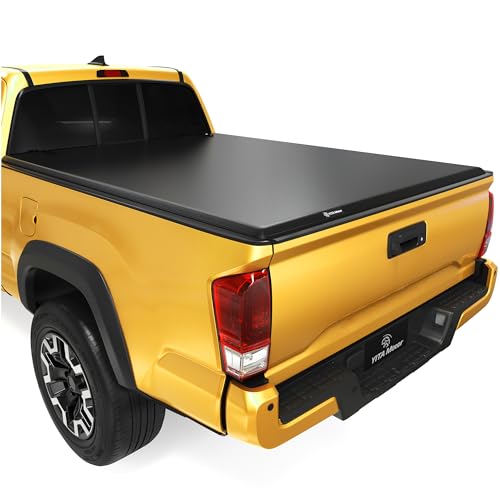
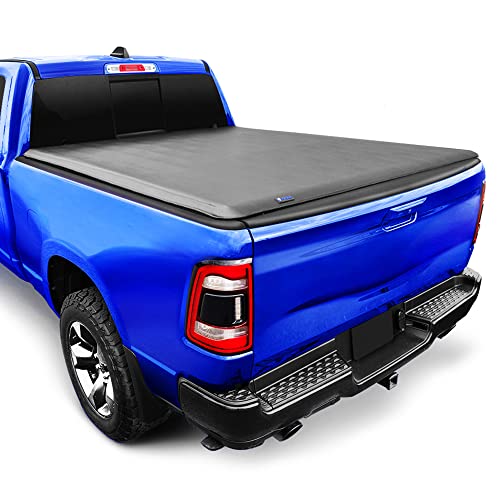
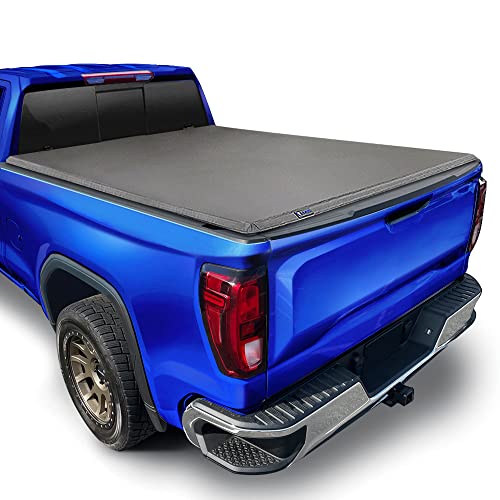
A tonneau cover is a great addition to any truck, offering several benefits. It helps secure the truck bed and cargo by keeping items out of sight and protecting them from the elements. Tonneau covers also improve aerodynamics, reducing drag and enhancing fuel efficiency. They come in various styles, including soft roll-up covers, hard folding covers, and retractable covers, allowing you to choose the one that best suits your needs and preferences.
Running Boards or Side Steps
Running boards or side steps provide a functional and stylish addition to your truck. They offer a convenient step to make entering and exiting the cabin easier, especially for taller vehicles. Running boards can also provide a stable platform for accessing the truck bed, making it more comfortable to load and unload cargo. They come in various materials, such as aluminum, steel, or composite, and can be customized to match your truck's style.
| Accessory | Benefits |
|---|---|
| Tonneau Cover | Secures cargo, protects from elements, and improves aerodynamics |
| Running Boards/Side Steps | Easier entry and exit, stable platform for bed access |
| LED Light Bars | Improved visibility, enhanced style, and increased safety |
LED Light Bars
LED light bars are a popular accessory that can significantly improve visibility, especially during night driving or in low-light conditions. They provide a bright and wide illumination, making it safer to navigate through dark roads or work sites. LED light bars come in various sizes and configurations, allowing you to choose the one that best suits your truck's design and your lighting needs. They also add a stylish touch to your vehicle, giving it a modern and rugged appeal.
Bed Liner
Protecting your truck bed is crucial, and a bed liner is an excellent accessory for this purpose. Bed liners shield the truck bed from scratches, dents, and corrosion caused by cargo. There are two main types of bed liners: drop-in bed liners, which are removable and offer easy installation, and spray-on bed liners, which provide a permanent and seamless coating. Bed liners also improve cargo management, preventing items from sliding around, and can even enhance the appearance of your truck bed.
Toolboxes and Storage Solutions
Adding toolboxes and storage solutions to your truck bed can greatly enhance its functionality, especially if you frequently carry tools or equipment. These storage options keep your tools organized, secure, and easily accessible. Toolboxes come in various sizes and styles, including cross-bed toolboxes, top-opening boxes, and side-mounted boxes. Some even offer locking mechanisms to provide added security for your valuable gear.
Floor Mats
Protecting the interior of your truck is just as important as the exterior. Floor mats are a must-have accessory to keep the cabin clean and protect the original flooring from dirt, mud, and wear. All-weather floor mats are designed to trap moisture and debris, making them ideal for all seasons. They are typically made from durable and easy-to-clean materials, ensuring long-lasting protection. Floor mats can also add a touch of style to your cabin, with various colors and designs available to match your taste.
Bull Bar or Grille Guard
A bull bar or grille guard is a functional accessory that adds a layer of protection to the front end of your truck. It safeguards the grille, headlights, and front bumper from damage caused by minor collisions or debris on the road. Bull bars are typically made from steel or aluminum and can also enhance the aggressive styling of your truck. Some models even come with integrated LED lights, providing additional illumination for off-road adventures.
Window Visors
Window visors, also known as rain guards, are a practical accessory that allows you to keep your windows partially open without letting in rain or snow. They deflect air upward, reducing wind noise and improving ventilation inside the cabin. Window visors can be easily installed using adhesive backing or clips, and they add a subtle style element to your truck's profile.
In conclusion, accessories play a vital role in personalizing and enhancing your truck's functionality and style. From tonneau covers to LED light bars and from running boards to floor mats, there are countless options to choose from. Consider your specific needs, whether it's improving cargo security, enhancing visibility, or adding a touch of personal flair, to create a truck that truly works for you and reflects your unique personality.
How Are Self-Driving Trucks and Autonomous Technology Affecting the Industry?
The introduction of self-driving trucks and autonomous technology is having a profound impact on the trucking industry, bringing about significant changes and shaping the future of transportation. Here's how autonomous technology is transforming the sector:
Improved Safety and Reduced Accidents
One of the most significant benefits of self-driving trucks is the potential to improve safety and reduce accidents. Autonomous technology relies on a combination of sensors, cameras, and advanced driver-assistance systems (ADAS) to detect and respond to the surrounding environment. This technology can eliminate or reduce human error, which is a contributing factor in a large percentage of road accidents. By taking over certain driving tasks and providing advanced safety features, autonomous trucks can help prevent collisions, improve road safety, and save lives.
Enhanced Fuel Efficiency and Lower Operating Costs
Autonomous technology has the potential to optimize fuel efficiency and lower operating costs. Self-driving trucks can maintain a constant speed, anticipate traffic flow, and make efficient use of braking and acceleration, resulting in reduced fuel consumption. Additionally, by minimizing abrupt maneuvers and optimizing routes, autonomous trucks can further enhance fuel savings. The reduction in fuel costs not only benefits fleet operators but also contributes to a more sustainable transportation industry.
| Impact | Description |
|---|---|
| Improved Safety | Autonomous technology reduces human error, enhances safety features, and lowers accident rates. |
| Fuel Efficiency | Self-driving trucks optimize speed, anticipate traffic, and improve braking/acceleration, reducing fuel costs. |
| Enhanced Productivity | Autonomous technology allows for extended operating hours and improved route planning. |
The following video explores the world of self-driving trucks, highlighting their safety features and potential benefits:
Self-Driving Trucks: Revolutionizing the Road
Enhanced Productivity and Extended Operating Hours
Autonomous technology enables trucks to operate around the clock, enhancing productivity and optimizing delivery times. Self-driving trucks can handle extended operating hours, especially for long-haul routes, by allowing the vehicle to continue driving while the human driver takes mandatory rest breaks. This capability can improve delivery times, streamline logistics, and enhance overall efficiency. Additionally, autonomous technology improves route planning by taking into account real-time traffic data and optimizing routes based on road conditions and delivery priorities.
Impact on Jobs and the Workforce
The introduction of self-driving trucks has sparked concerns about its potential impact on jobs in the trucking industry. While autonomous technology may reduce the need for some driving roles, it also creates new opportunities in other areas. There will still be a demand for human oversight, monitoring, and intervention in self-driving trucks, especially in complex or unpredictable situations. Additionally, the development and maintenance of autonomous technology will require a skilled workforce, including engineers, technicians, and data analysts.
Regulatory and Legal Challenges
The implementation of self-driving trucks also presents regulatory and legal challenges. Governments and regulatory bodies are working to establish guidelines and safety standards for autonomous vehicles. Ensuring the safety and reliability of self-driving trucks is a key concern, and regulatory approval processes can be lengthy. Additionally, legal questions arise regarding liability in the event of an accident, insurance requirements, and data privacy. Addressing these challenges will be crucial for the widespread adoption of autonomous trucks.
In conclusion, self-driving trucks and autonomous technology are transforming the trucking industry. With improved safety, enhanced fuel efficiency, and increased productivity, autonomous vehicles have the potential to revolutionize transportation. However, it is essential to carefully navigate the challenges related to jobs, workforce skills, and regulatory frameworks to ensure a smooth transition and maximize the benefits of this groundbreaking technology.
This concludes the full set of articles based on your initial request. Please let me know if there is anything else I can assist you with!
