When it comes to towing, having the right hitch accessories can make all the difference. Whether you're hauling a trailer for a weekend getaway or moving heavy equipment for work, understanding what you need is crucial. From ball mounts to safety chains, each component plays a vital role in ensuring a safe and secure towing experience. By knowing the ins and outs of hitch accessories, you can confidently hit the road without any worries. Stay tuned as we delve into everything you need to know about hitch accessories for towing.
Key Takeaways
-
Understand the different hitch classes and types to ensure compatibility with your towing needs.
-
Prioritize safety for heavy-duty towing by selecting trailer accessories like sway control systems and brake controllers.
-
Properly matching the ball hitch to the trailer coupler size is crucial for safe towing.
-
Regularly inspect and maintain your towing equipment to prevent accidents and breakdowns.
-
When selecting hitch accessories for heavy-duty towing needs, consider factors like weight capacity, durability, and ease of installation.
-
Stay informed about common towing issues and troubleshooting techniques to address problems promptly.
Hitch Basics
Components Overview
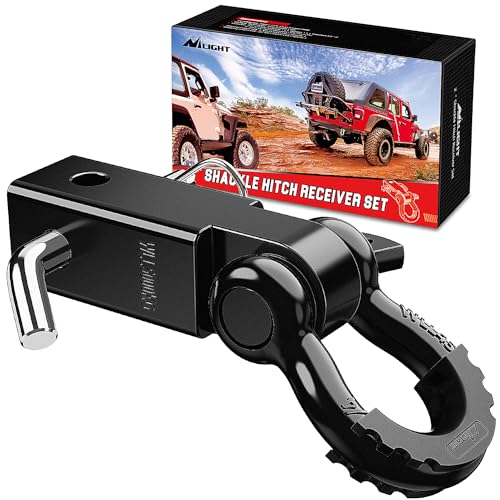
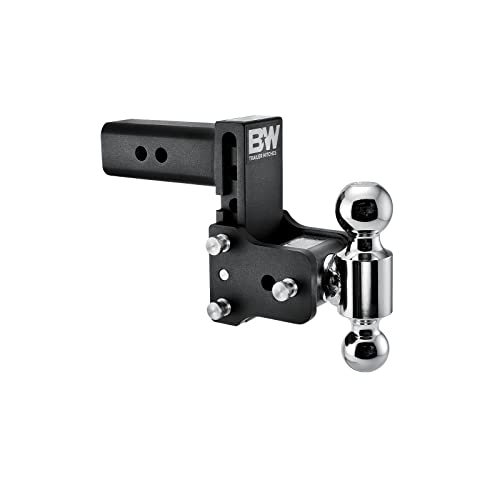
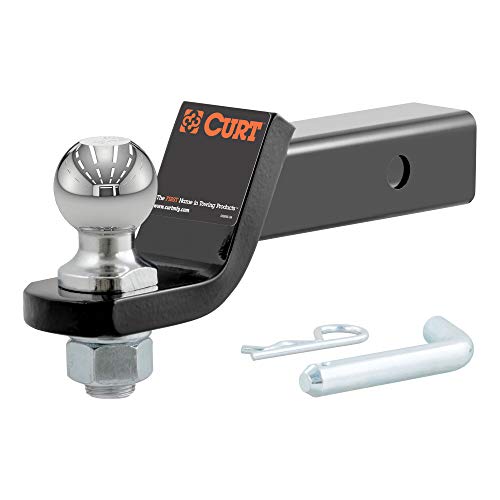
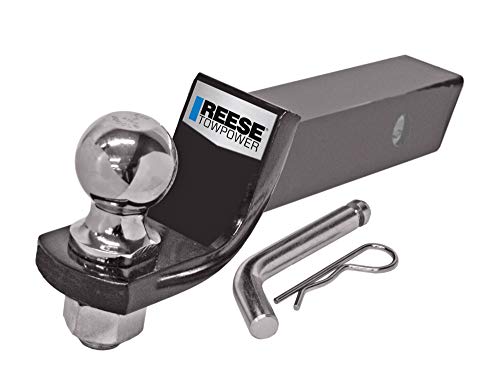
Key hitch accessories include the trailer hitch, ball mount, trailer ball, hitch pin, and trailer coupler. Each plays a crucial role in towing, ensuring a safe and efficient connection between the tow vehicle and the trailer. Understanding their functions is vital for a successful towing experience.
Recognize how the trailer hitch, serving as the primary link between the vehicle and the trailer, meets towing needs. The ball mount provides a stable platform for the attachment of the trailer ball, which in turn connects to the trailer coupler for towing needs. Proper installation and compatibility are essential for seamless towing operations.
Functions Explained
Learn how a trailer hitch securely fastens your tow vehicle to the trailer, enabling safe transportation of goods or equipment. The ball mount ensures a firm and secure connection for the trailer ball, allowing for smooth movement between the vehicle and trailer. The trailer ball, when coupled with the trailer coupler, guarantees stability during towing, preventing accidents or detachment.
Installation Tips
Follow precise steps to install a trailer hitch on your vehicle correctly, ensuring it is securely attached for safe towing operations. When attaching the ball mount to the hitch receiver tube, ensure a tight fit to prevent any wobbling or detachment during transit. Secure all components using a reliable hitch pin to prevent any sliding or loosening while on the road.
Towing Equipment Essentials
Safety Gear
Using safety gear is crucial for secure towing. Hitch locks prevent theft and ensure your trailer stays connected. Safety chains act as a backup in case of trailer detachment, preventing accidents on the road. Regular maintenance is key to safe towing experiences, ensuring all equipment functions properly.
Connection Types
Different connection types cater to various towing needs. Bumper hitches are versatile and easy to install, suitable for light-duty towing. On the other hand, gooseneck hitches offer enhanced stability and weight distribution, ideal for heavy loads. Choose the connection type based on your towing requirements and vehicle compatibility.
Maintenance Checks
Establish a routine to inspect hitch accessories regularly for wear and tear. Lubricating moving parts keeps them functioning smoothly, reducing friction and potential damage. Check for rust and corrosion, as they can weaken the hitch's structural integrity over time.
Hitch Classes and Types
Class I to V
Hitches are categorized into different classes, ranging from Class I to V, each with varying weight capacities. Class I hitches are suitable for light-duty towing, typically up to 2,000 pounds. Moving up the scale, Class II hitches can handle around 3,500 pounds, making them ideal for small trailers or bike racks.
When it comes to Class III hitches, they can tow up to 6,000 pounds and are commonly used for mid-size trailers and boats. For heavier loads like large campers or horse trailers, Class IV hitches with a capacity of about 10,000 pounds are necessary. Finally, Class V hitches are heavy-duty options capable of towing over 10,000 pounds.
Choosing the right hitch class is crucial for safe towing. Using a hitch with a lower weight rating than required can lead to dangerous situations on the road due to overloading. Conversely, opting for a hitch with a higher weight rating might be unnecessary and could add extra weight to your vehicle unnecessarily.
Specialty Hitches
In addition to standard hitch classes, there are also specialty hitches that cater to specific towing needs. Front-mount hitches attach to the front of vehicles and are useful for maneuvering trailers in tight spaces or launching boats. They provide better control when backing up trailers compared to rear-mounted hitches.
Another type is the 5th wheel hitch, commonly used in heavy-duty towing scenarios like hauling RVs or large trailers. These hitches offer increased stability and weight distribution compared to traditional ball hitches. They are mounted in the truck bed rather than at the rear of the vehicle.
Deciding when to use a specialty hitch depends on your unique towing requirements. If you frequently need to tow in challenging environments or require enhanced maneuverability, a front-mount hitch may be beneficial. On the other hand, for heavy loads that demand superior stability and control, a 5th wheel hitch is the preferred choice.
Ball Hitches Demystified
Sizes and Ratings
Trailer balls come in various standard sizes to fit different trailer couplers, ensuring a secure connection. Understanding the weight ratings of hitch accessories is crucial for safe towing practices. When selecting a ball hitch, it's essential to consider the trailer's weight and dimensions.
-
Trailer balls typically range from 1-7/8 inches to 2-5/16 inches in diameter, catering to various trailer coupler sizes.
-
Weight ratings for hitch accessories can vary from 2,000 lbs to over 30,000 lbs, depending on the specific class of the hitch.
-
To determine the right size and rating of a ball hitch, match it with the trailer's weight capacity and coupler requirements.
Selecting the Right Ball
When choosing a trailer ball, take into account factors such as trailer weight and coupler size to ensure a proper fit. Selecting the correct diameter and shank length of the trailer ball is crucial for a tight and secure connection. Always verify compatibility between the trailer ball and coupler for safe towing.
-
The appropriate diameter of the trailer ball should match the size specified by your trailer's coupler.
-
Shank length plays a vital role in ensuring that there is enough space for securing nuts and washers properly.
-
Compatibility between the trailer ball and coupler prevents accidents or detachment during towing operations.
Trailer Accessories for Safety
Lights and Signals
Proper lighting and signaling are crucial for safe towing. Trailer wiring connections enable brake lights and turn signals to function effectively. Before embarking on a journey, always ensure that all lights and signals on the trailer are operational.
Brake lights indicate when you are slowing down or stopping, enhancing safety on the road. Turn signals alert other drivers about your intentions, reducing the risk of accidents. Faulty lights or signals can lead to dangerous situations, so regular checks are essential.
-
Key Points:
-
Brake lights and turn signals enhance safety.
-
Regular checks on lights and signals are necessary before each trip.
-
Braking Systems
Different trailers utilize various braking systems, such as surge brakes and electric brakes. Surge brakes work independently of the tow vehicle, activating when the trailer pushes against the hitch during deceleration. Electric brakes, on the other hand, rely on an electronic signal from the tow vehicle to engage.
Understanding how these braking systems operate in sync with the tow vehicle is vital for safe towing practices. Proper adjustment and maintenance of the braking system ensure optimal performance when stopping or slowing down while towing.
-
Key Points:
-
Surge brakes engage based on pressure against the hitch.
-
Electric brakes activate through an electronic signal from the tow vehicle.
-
Importance of Proper Towing
Weight Distribution
Weight distribution hitches play a crucial role in balancing trailer weight. They help distribute the weight evenly across the tow vehicle and trailer.
Understanding how weight distribution affects towing stability is essential for safe towing. Imbalanced weight can lead to swaying and loss of control.
To determine when to use a weight distribution hitch, consider the trailer weight and tongue weight. Matching these to the hitch's capacity is vital for safe towing.
Vehicle Compatibility
Before towing, check your vehicle's towing capacity and ensure it aligns with the trailer's weight. Exceeding this limit can strain the vehicle's engine and transmission.
Verify that your vehicle's suspension and braking system are suitable for towing. Insufficient suspension can cause sagging, affecting stability.
Equip your vehicle with necessary towing accessories like hitch receivers, wiring harnesses, and brake controllers for a smooth towing experience.
Enhancing Towing Safety
Regular Inspections
Establish a schedule for regular inspections of hitch accessories and connections. Check for signs of wear, rust, or damage on hitch components. Before each towing trip, conduct a thorough inspection to ensure everything is in proper working order.
-
Create a checklist for regular inspections to ensure no crucial component is overlooked.
-
Regular inspections help identify potential issues early, preventing accidents during towing trips.
Safety Practices
Follow safety guidelines such as double-checking hitch connections before towing. Practice safe loading techniques to distribute weight evenly on the trailer. Maintain a safe driving speed and distance while towing to prevent accidents.
-
Double-checking hitch connections before towing ensures a secure attachment between the vehicle and trailer.
-
Practicing safe loading techniques prevents swaying and loss of control while on the road.
-
Maintaining a safe driving speed and distance reduces the risk of sudden stops or collisions.
Accessory Selection Tips
Quality Considerations
Prioritize quality when selecting hitch accessories for durability and reliability. Opt for reputable brands with a proven track record of producing high-quality hitch components. Investing in top-notch hitch accessories is crucial to ensure safe and efficient towing experiences.
Compatibility Check
Verify the compatibility between hitch accessories and the tow vehicle before installation. Double-check that the trailer ball size matches the trailer coupler to establish a secure connection. Confirm weight ratings to guarantee that the hitch accessories can safely handle the trailer's weight.
Troubleshooting Common Issues
Hitch Noise Solutions
Hearing unwanted noise coming from your hitch while towing can be frustrating. Common causes of hitch noise include loose components or improper installation. To address this, ensure all components are securely tightened and properly aligned.
Regular maintenance is crucial to prevent hitch noise. Greasing moving parts, checking for loose bolts, and ensuring proper installation can significantly reduce noise levels. By taking these steps, you can enjoy a quieter towing experience.
To troubleshoot hitch noise issues, start by inspecting the hitch components for any signs of wear or looseness. Tighten any loose bolts or nuts and ensure that all parts are properly aligned and secured. Consider using anti-rattle devices to minimize noise further.
Connection Problems
Connection problems between your vehicle and trailer can pose serious safety risks while towing. Identifying common connection issues such as loose hitch pins or misaligned trailer balls is essential for safe towing practices.
When faced with connection problems, always check for proper alignment between the vehicle and trailer. Ensure that the hitch pin is securely in place and that the trailer ball is correctly positioned within the coupler. Addressing these issues promptly is crucial to avoid accidents on the road.
Secure attachment between your vehicle and trailer is paramount for safe towing operations. Regularly inspecting the connection points for any signs of wear or damage can help prevent potential accidents. Always double-check that all connections are secure before hitting the road.
Closing Thoughts
Now that you've grasped the essentials of hitch accessories for towing, you're equipped to make informed decisions when gearing up for your next haul. Understanding hitch classes, selecting the right equipment, and prioritizing safety measures are crucial steps in ensuring a smooth towing experience. Remember, your safety and that of others on the road depend on your preparation and attention to detail.
As you venture into the world of towing, keep in mind the significance of proper hitch accessories and maintenance. Regularly inspecting your equipment, following best practices, and staying informed about troubleshooting common issues will not only enhance your towing experience but also contribute to safer roads for everyone. So, before you hit the road for your next adventure, take a moment to review your setup and ensure everything is in place for a secure and stress-free journey.
Frequently Asked Questions
What are the different types of hitches available for towing?
There are various types of hitches such as ball hitches, fifth-wheel hitches, and gooseneck hitches. Each type is designed for specific towing needs, so it's important to choose the right one based on your vehicle and trailer requirements.
How can I enhance safety while towing a trailer?
To enhance safety when towing a trailer, ensure proper weight distribution, perform regular maintenance checks on your towing equipment, use safety chains correctly, and invest in quality trailer accessories like mirrors and brake controllers.
Why is it crucial to select the right receiver hitches, bike rack, hitch extender, and weight distribution hitch for towing?
Choosing the appropriate accessories for towing ensures not only the safety of your vehicle and cargo but also enhances overall performance. From weight distribution systems to sway control devices, each accessory plays a vital role in making your towing experience smooth and secure.
What should I do if I encounter common issues while towing?
If you face common issues like trailer sway, uneven weight distribution, or braking problems while towing, stop immediately in a safe location. Assess the situation carefully, make necessary adjustments to your setup if possible, and seek professional help if needed to resolve the issue effectively.
Why is understanding hitch classes important for safe towing?
Knowing the different hitch classes helps you match the right hitch with your vehicle's towing capacity. By selecting the appropriate class based on your vehicle's specifications, you ensure safe and efficient towing operations without risking damage to your vehicle or compromising road safety.
